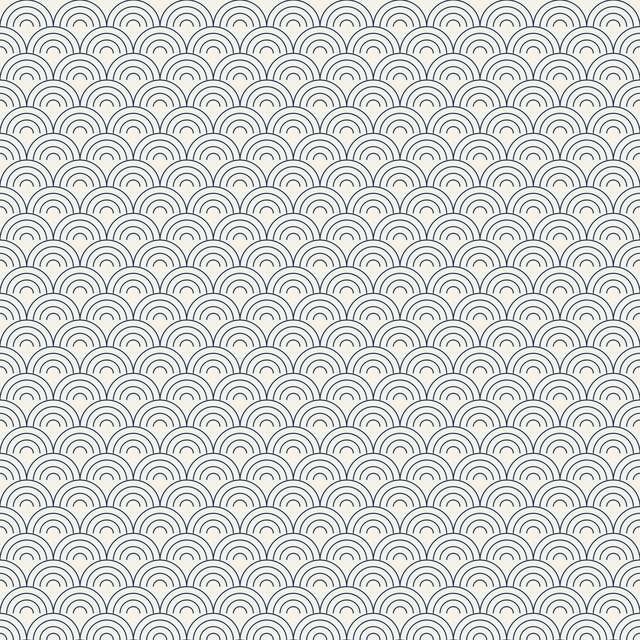
Seigaiha · 青海波
Indigo Wave
Concentric ocean waves, one of Japan's oldest motifs — a wish for peaceful, endless good fortune.
Ten centuries-old wagara patterns — seigaiha, ichimatsu, shippo, kikkou, asanoha, uroko, kagome, yagasuri, bundou — turned into minimalist phone cases, totes, stickers and stationery for the modern world.
Wagara (和柄) are the traditional geometric patterns of Japan — born in textiles, architecture and ceramics centuries ago, and still instantly recognizable today. Each motif carries its own meaning: waves for good fortune, interlocking circles for harmony, hexagons for longevity. We redraw them with precise, modern geometry and apply them to everyday objects — so a piece of Japanese design history can live in your pocket, on your desk, or over your shoulder.
Concentric ocean waves, one of Japan's oldest motifs — a wish for peaceful, endless good fortune.
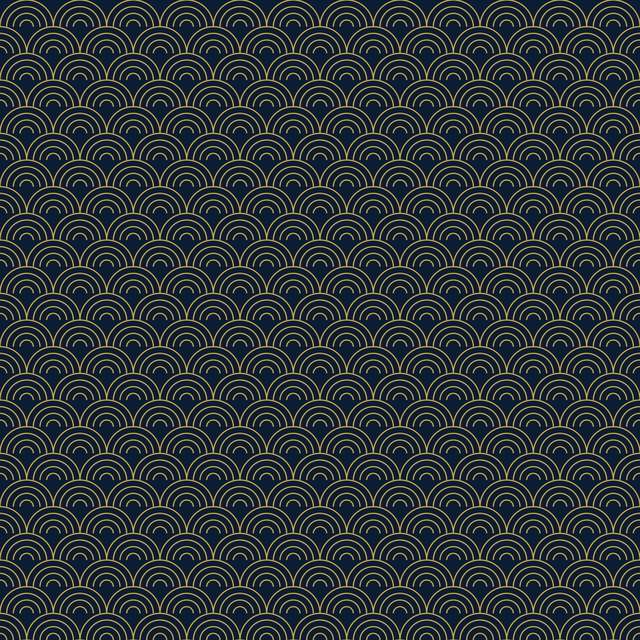
The same waves in gold on navy — a quieter, more luxurious read of the classic pattern.
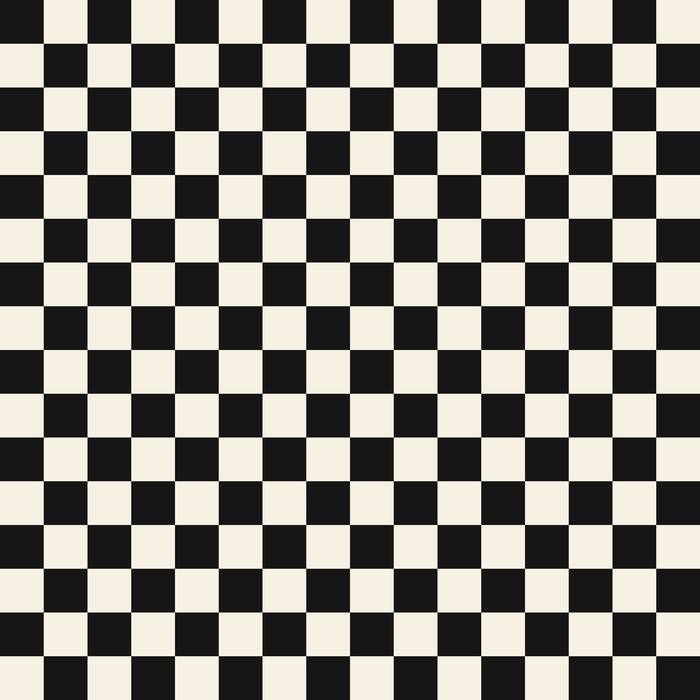
A bold two-tone check dating to the 18th century — Japan's most iconic pattern, worn everywhere.
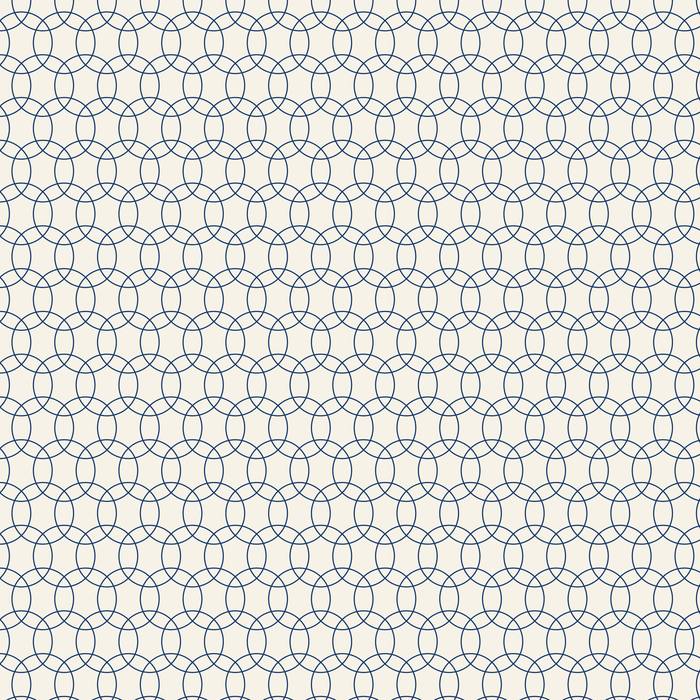
Interlocking circles that never break apart — a symbol of harmony and connection.
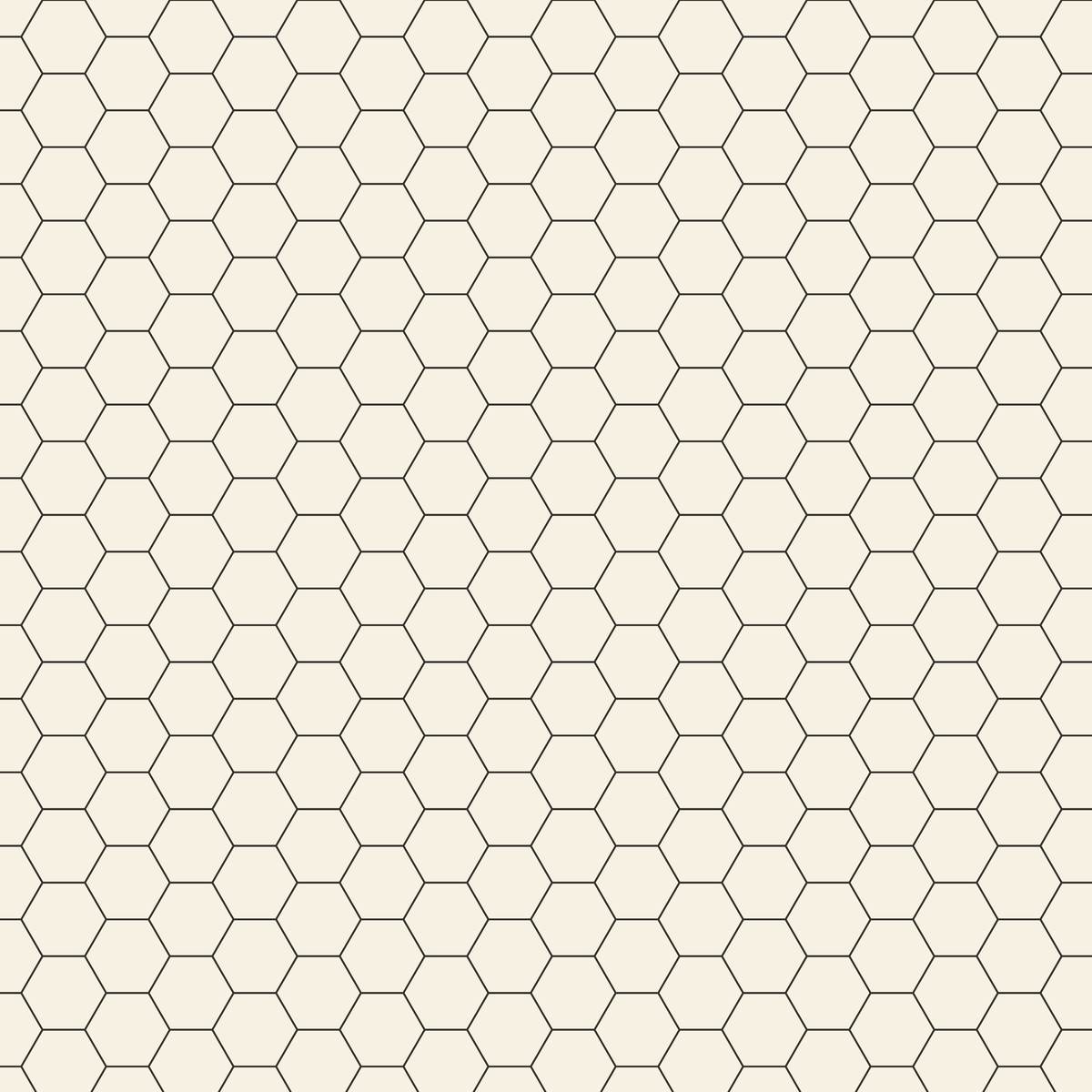
Hexagons echoing a tortoise's shell — in Japan, a wish for a long and fortunate life.

A six-pointed star lattice named for the fast-growing hemp plant — traditionally used on baby clothes as a wish for healthy growth.
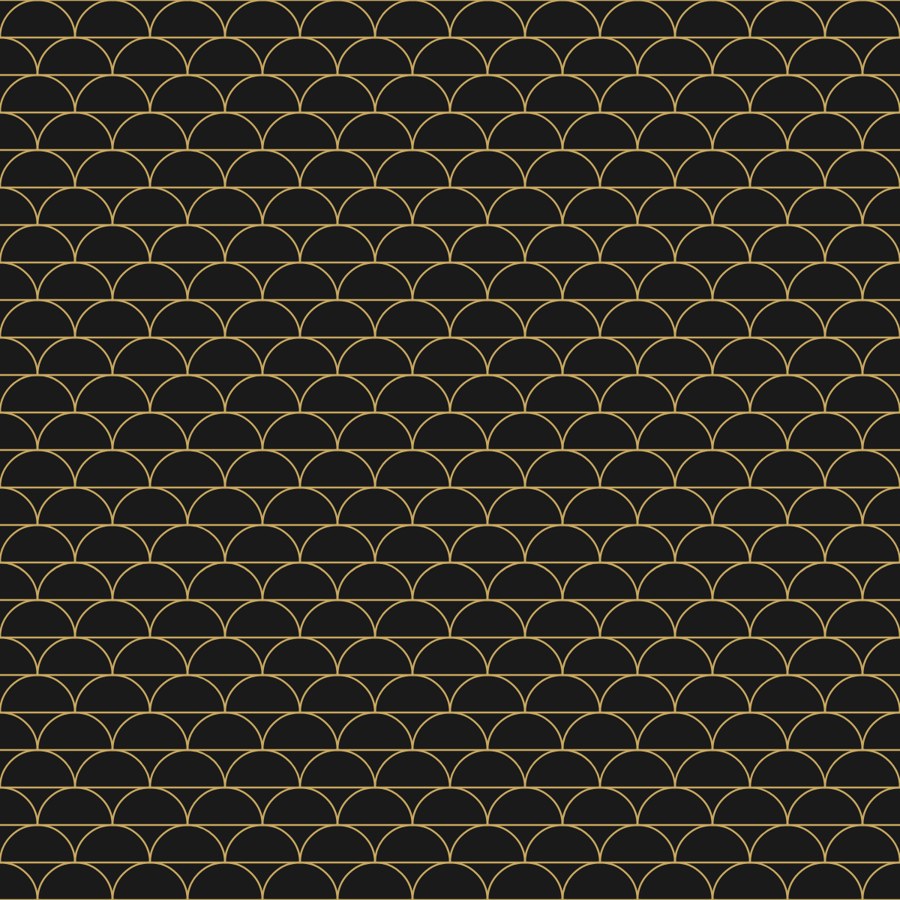
Interlocking triangular scales worn since the samurai era as protective armor motifs, warding off misfortune.
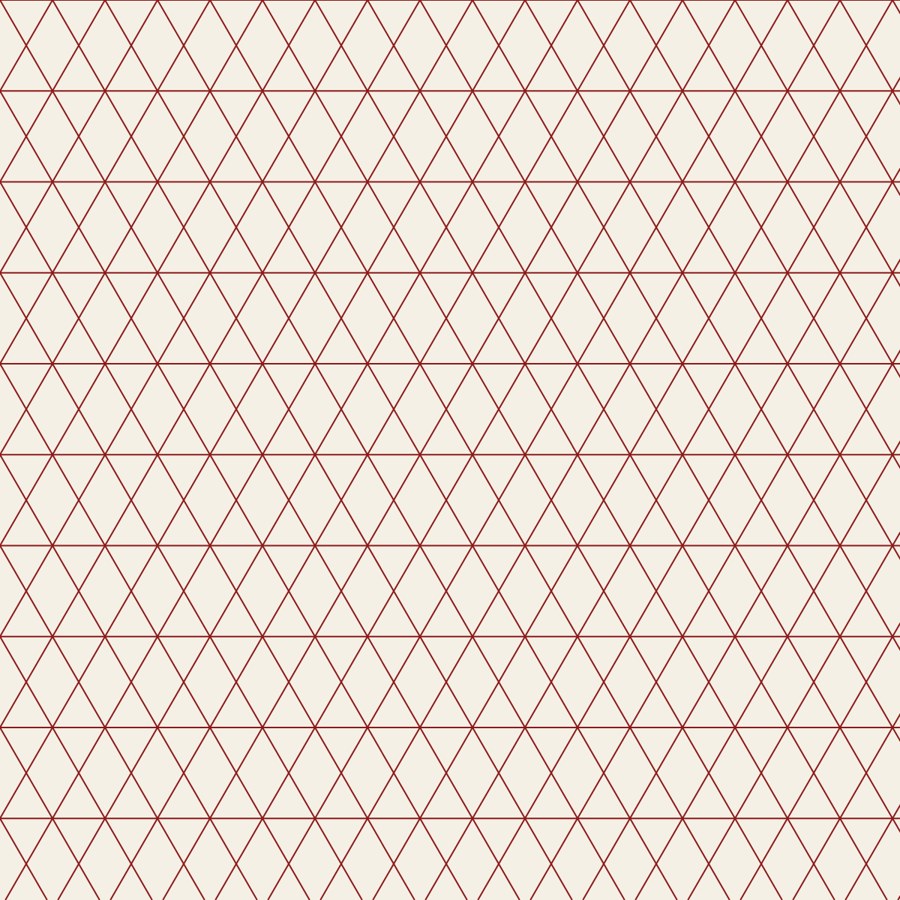
A hexagonal weave named after traditional bamboo baskets — its overlapping triangles were long believed to ward off evil.

Bold diagonal stripes echoing an arrow's fletching — worn by Meiji-era schoolgirls as a symbol of an arrow that never returns, a wish for resolve.

Linked hourglass shapes named after traditional weighing counterweights — a motif tied to wealth and fair balance.
Every pattern is redrawn from its traditional construction — not filtered from a photo. Printed on-demand, one piece at a time, so nothing is made until someone wants it. No warehouse, no waste.
Every pattern in this shop carries a story most people never hear — a specific, centuries-old wish woven into geometry. The Wagara Code unlocks the history and meaning behind nine iconic Japanese patterns, plus a field guide to twelve more, coming soon to Kindle worldwide. A Japanese-language edition, 和柄の教科書, is also in preparation for readers in Japan.
Written by the same creator behind Wagara Japan, so the patterns you read about are the same ones you can actually own.
Phone cases, tote bags, stickers, notebooks and more — all ten patterns, ready to ship worldwide.
Visit the Shop